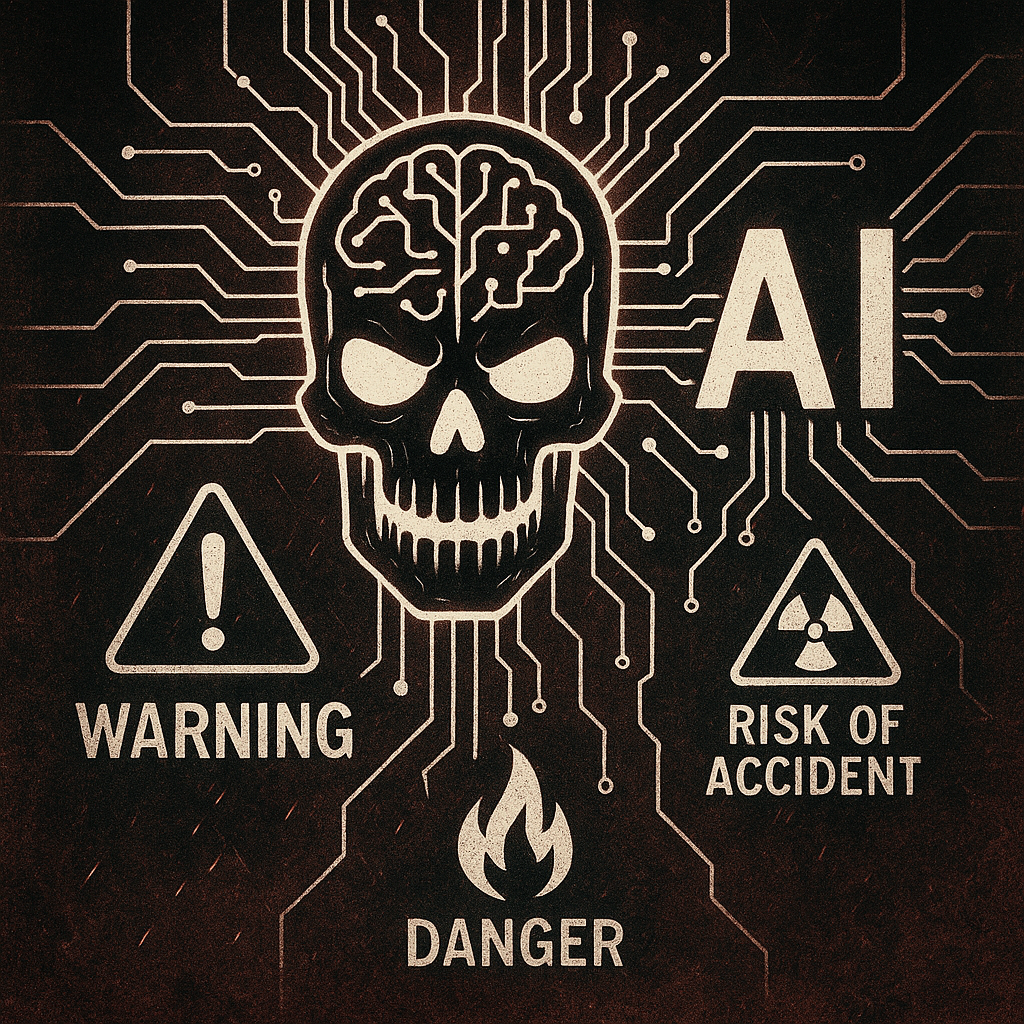
What If AI Becomes Out of Control? Understanding the Risks and Realities Meta Description: Explore what could happen if AI becomes out of control. Understand the potential dangers, real-world risks, human factors, and how society can prevent AI from becoming harmful. Keywords: AI out of control, dangers of AI, risks of artificial intelligence, uncontrolled AI, AI safety, AI future threats Tags: AI risks, AI safety, uncontrolled AI, future of AI, technology dangers, AI ethics Introduction: A Powerful Tool or a Potential Threat? Artificial Intelligence is now one of the most powerful technologies in human history. It writes code, diagnoses diseases, drives cars, creates videos, predicts trends, and helps us learn. But with great power comes great responsibility—and a big question: What if AI becomes out of control? This fear shows up in headlines, movies, research papers, and public discussions. While AI today is far from becoming self-aware or rebellious, there are real risks if AI advances faster than our ability to manage it. This article explores what “out of control AI” means, the realistic scenarios, the dangers—not sci-fi fantasies—and how humanity can protect itself. 1. What Does “Out of Control AI” Actually Mean? It does not mean killer robots taking over the world. It means situations where AI: behaves unpredictably produces harmful outputs makes decisions humans don’t understand operates faster than humans can correct is misused by the wrong people spreads misinformation manipulates people or systems replaces human jobs without governance In short: AI out of control = AI acting beyond safe, intended, or ethical limits. 2. Realistic Scenarios Where AI Could Go Out of Control Scenario 1: AI Making Decisions Too Fast for Humans to Regulate Financial markets already use AI trading systems that can make decisions in seconds. Unchecked, they could cause economic instability. Scenario 2: AI Systems Reinforcing Bias or Unfairness If AI is trained on biased data, it can amplify discrimination in: hiring law enforcement banking education This is AI operating outside ethical boundaries. Scenario 3: Deepfakes and Manipulation AI can generate realistic fake videos, voices, and images. This could lead to: political manipulation identity theft misinformation financial scams Scenario 4: Autonomous Weapons or Military AI AI-controlled weapons making deadly decisions without human supervision are a major global concern. Scenario 5: AI Replacing Human Jobs Too Quickly If companies adopt AI faster than workers can adapt, entire industries could collapse. Scenario 6: AI That Learns the Wrong Goal If AI misinterprets instructions, even harmless intentions could turn harmful. Example: “Maximize user engagement” → leads to addiction, misinformation, unhealthy usage. 3. What AI Cannot Do—Despite Popular Fears Even in the near future, AI cannot: feel emotions develop personal goals “want” to take over become self-aware act with free will make moral judgments on its own AI is ultimately a tool—powerful, yes, but not alive. Most “out of control” risks come from humans misusing AI or poorly designed systems, not AI deciding to rebel. 4. Why These Risks Exist Several factors make AI riskier if not handled well: • Speed of AI growth Technology is advancing faster than laws and ethics. • Lack of global regulation There is no worldwide rulebook for safe AI development. • Competitive pressure Companies rush to release new AI tools without full testing because the market is highly competitive. • Black-box systems Some AI models are so complex that even their creators don't fully understand how they make decisions. 5. What Happens If AI Truly Becomes Uncontrolled? If proper safety measures fail, here are potential outcomes: 1. Social and political instability Deepfakes and misinformation could influence elections or public opinion. 2. Economic disruption Millions of jobs might be replaced faster than societies can adapt. 3. Security breaches AI could find vulnerabilities faster than security systems can protect them. 4. Loss of trust in digital systems People may stop trusting information, media, and technology. 5. Human dependency Over-reliance on AI may weaken critical thinking skills and emotional intelligence. 6. How Humanity Can Prevent AI From Going Out of Control Luckily, experts worldwide are working to ensure AI stays safe. The Solutions: 1. Strong AI Regulations Governments must enforce laws for transparency, safety, and ethical use. 2. AI Safety Research Organizations like OpenAI, DeepMind, Anthropic focus on making AI aligned with human values. 3. Human Supervision Critical decisions—healthcare, law, finance, military—must always involve humans. 4. Transparency and Explainability AI should be able to explain why it made a decision. 5. Education and Awareness People must learn to use AI wisely and recognize harmful outputs. 7. Conclusion: AI Out of Control Is a Risk—But Not Inevitable AI becoming uncontrolled is a preventable outcome—not a guaranteed one. The future of AI depends not on the machines, but on how humans design, regulate, and use them. With proper safeguards: AI can become humanity’s greatest tool—not its greatest threat. The goal is simple: Control the technology today so it benefits everyone tomorrow. +SEO Summary Meta Description: What happens if AI becomes out of control? Explore realistic risks, dangers, and how we can prevent AI from becoming harmful. Keywords: AI out of control, AI dangers, AI risks, uncontrolled AI, AI future threats, AI safety Tags: AI risks, AI safety, future of AI, uncontrolled AI, tech dangers